Contractor Ad Creative Made From Your Real Jobs
Homeowners can spot a stock photo in half a second. The smiling family in front of a house that isn't in their state. The hard hat guy giving a thumbs up. The robot voice reading a script. They scroll right past it, and your ad money goes with them. Contractor ad creative that works looks like the opposite: your crew, your trucks, a real job in a real neighborhood, and someone who sounds like they actually do the work.
This page explains how Digi Malik builds ad creative for contractors from your own jobs, and why it's the single biggest factor in whether your ads make money.
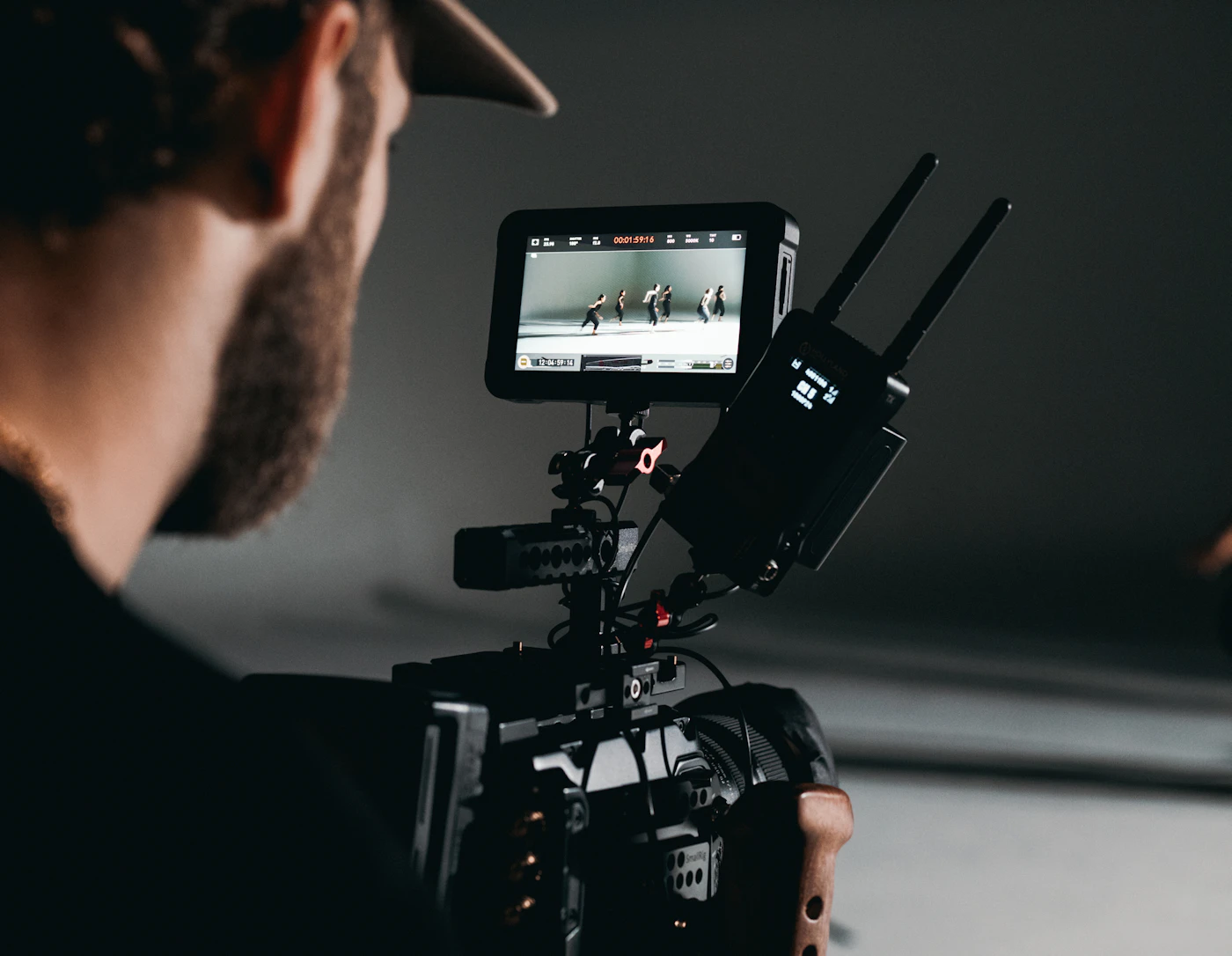
Why creative matters more than targeting now
A few years ago, a lot of ad performance came from clever targeting: picking the right interests, income levels and behaviors. Those options have shrunk, and ad platforms like Meta now do most of the audience finding themselves. On top of that, many home-related ads fall under Meta's housing rules, which limit targeting even further.
What's left for you to control is the ad itself. Your creative now does three jobs at once:
Stops the scroll
If the first second doesn't grab attention, nothing else matters.
Filters the audience
A video showing a $40,000 remodel attracts a different homeowner than one shouting about discounts.
Builds trust before the call
By the time a homeowner fills out your form, your ad has already shown them your crew, your work and your standards.
That's why we treat creative as the center of your Facebook ads for contractors, not as decoration.
Real creative only
Every ad we make for you is built from your real business:
- No stock footage. Homeowners can tell, and it makes you look like everyone else.
- No AI voices or AI-generated actors. They sound off, and they break trust the moment someone notices.
- No fake reviews or made-up results. Real customers, real words, with their permission.
This is a hard rule, not a preference. Fake creative might get a click. It doesn't get a homeowner to let you into their house.
The formats that work for contractors
Before-and-after reveals
The same angle, the same framing, before and after. Simple, fast and powerful for remodeling, painting, flooring, epoxy, siding, hardscaping and roofing.
Process clips
Tear-offs, grinding, framing, laying pavers, pouring concrete, installing a panel. Process footage shows homeowners why your price is what it is, and it's oddly satisfying to watch.
Owner or foreman to camera
One person, one question, one honest answer. "How do I know if I need a new roof?" "What's actually included in your quote?" These videos build more trust than anything else, because they sound like a real conversation.
Customer stories
A homeowner, in their own home, saying what the project was like. Not a script. Just a few questions and their real answers.
Problem explainers
Roots in a sewer line. Rot behind siding. A sunken patio and why it failed. Showing problems homeowners didn't know to worry about positions you as the expert.
Static images and carousels
Not every ad needs to be a video. A strong before-and-after photo pair, a carousel walking through a project, or a simple review graphic can perform well and costs less to make.
How production works
You don't need a film crew or a studio. Here's how your creative comes together:
Planning
We look at your upcoming jobs and decide which ones are worth capturing and what to get from each.
Shot list
Your team gets a simple list for each job: what to film, from which angle, and when (before, during, after).
Capture
Your crew or office films on a phone while the job happens. Most clips take seconds, not hours.
Scripts and talking points
For owner and foreman videos, you get short talking points, not stiff scripts, so you sound like yourself.
Editing
We cut footage into ads with strong hooks, captions, and the right sizes for each placement.
Design
Ramsha builds the statics, carousels, thumbnails and on-screen text in your brand.
Testing
Several versions go live, and the data tells us which hooks and formats to make more of.
One good job can turn into five or more ads. Over a few months, you build a library of creative that keeps working for you.
Hooks: the first second decides everything
Most people decide whether to keep watching in the first moment. So every video gets several possible openings, and we test them against each other:
- A dramatic visual: a garage door rolling up on a finished floor
- A blunt question: "Is your roof actually leaking, or is it the flashing?"
- A surprising number: "This homeowner was quoted twice what it should cost."
- A problem close-up: water pouring over a clogged gutter
The rest of the video can stay the same. Changing just the first few seconds can make a big difference in how much each lead costs.
Built for how people actually watch
Sound off by default
Most people scroll with sound off, so every video gets captions and on-screen text.
Vertical first
Ads are cut for vertical placements like Stories and Reels, with versions for the feed.
Short
Most ads stay well under a minute. Long-form content gets used where it fits, like retargeting.
Clear next step
Every ad ends with one simple action: book an estimate, get a quote, see more projects.
Why creative wears out (and what to do about it)
Even a great ad stops working eventually. The same people see it too many times, and costs creep up. That's called creative fatigue, and it's one of the most common reasons contractor campaigns slowly get worse.
The fix is a steady flow of new ads. That's why creative production is ongoing, not a one-time project. As long as you're doing jobs, there's new material to work with.
Get permission, every time
Filming inside a customer's home, showing their face or their address, or using their words in an ad requires their permission. Part of your process should be a simple consent step before filming and before publishing a customer's review or video. It protects you, and it's the right thing to do.
What's included
- Creative strategy built around your trade and your offers
- Shot lists for your jobs
- Talking points for owner, foreman and customer videos
- Video editing with hooks, captions and multiple sizes
- Static images, carousels and graphics
- Ongoing testing and fresh ads to fight fatigue
See how creative fits with the rest of your system on our contractor marketing services page, or check the programs.
Trades where creative makes the biggest difference

Epoxy & Garage Floors marketing
About $3,000 for a two-car garage. Impulse want.
See the epoxy plan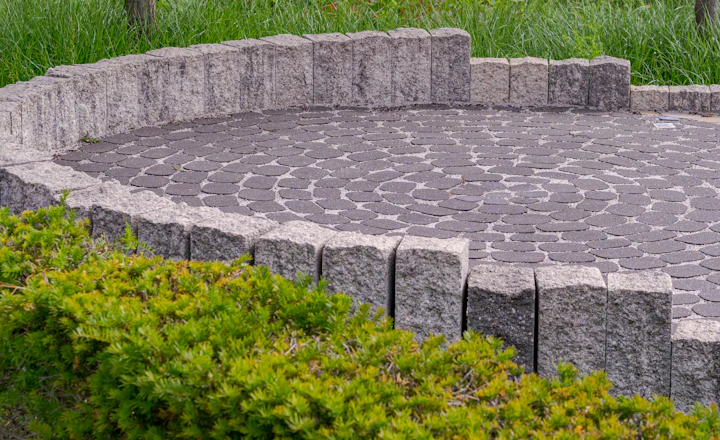
Concrete & Hardscaping marketing
About $8 to $25 per sq ft for pavers. Seasonal, design-led.
See the concrete plan
Roofing marketing
About $29,909 average new roof. Trust sale, often weeks.
See the roofing planContractor ad creative FAQ
Do I need professional video for my ads?
No. Clear phone footage of real jobs often outperforms polished commercials, because it looks real. What matters is filming the right moments and editing them well.
I'm not comfortable on camera. Can I still run video ads?
Yes. Process clips, before-and-afters and customer stories don't need you on camera at all. If you do want to try, short talking points make it much easier.
How often do you make new ads?
New creative is added regularly as ads wear out and new jobs give us fresh footage. The pace depends on your budget and how fast your ads fatigue.
Can you use our existing photos and videos?
Yes, if they're real and good quality. Old footage often has a few great moments buried in it.
Why don't you use AI voices or stock footage?
Because homeowners can tell, and it costs you trust. Your ads should look like your company, because that's who the homeowner is hiring.
Want ads that look like your company?
Tell us your trade, the jobs you have coming up and what you've already got on your phone. You'll see what contractor ad creative could look like for your business.
Prefer to talk now? Call or text 307-449-2083