Contractor Landing Pages That Turn Clicks Into Estimates
You paid for the click. The homeowner tapped your ad, interested, and landed on your homepage. Now they're looking at a menu with twelve options, a slideshow, a mission statement and a contact page three taps away. A lot of them leave. That's money you already spent, walking out the door. Contractor landing pages fix that by giving every ad one focused page with one job: getting the homeowner to book.
This page explains how Digi Malik builds landing pages and funnels for contractors, what goes on them, and how they connect to the rest of your follow-up.

Why your homepage isn't a landing page
Your website has to serve everyone: past customers looking for your phone number, job applicants, suppliers, homeowners comparing three companies. That's fine for a website. It's terrible for an ad.
A landing page is built for one visitor and one action:
- One offer. A roof inspection. A garage floor quote. A kitchen design consult.
- One message that matches the ad they just clicked.
- One action: fill out the form, book a time, or call.
- No distractions. No main menu, no blog links, no unrelated services.
When the page matches the ad and there's only one thing to do, more of your visitors do it.
What goes on a high-converting contractor landing page
Every page is built for the specific trade and offer, but the strongest ones share a structure.
1. A headline that matches the ad
If the ad said "Garage floors done in one day," the page should say it too, right at the top. When the headline doesn't match, homeowners feel like they clicked the wrong thing and bounce.
2. Proof above the fold
Before a homeowner scrolls, they should see a real project photo or short video, your star rating and review count, and how long you've been in business. Trust first, then the ask.
3. A short form or a booking calendar
The form asks only what you need to qualify the lead and nothing more. For many trades, that's name, phone, address or zip, and two or three qualifying questions like project type, timeline and budget range. On mobile, a tap-to-call button sits right next to it.
4. What happens next
Homeowners hesitate when they don't know what they're signing up for. A simple three-step section helps: "You book a time. We inspect and measure. You get a clear written quote."
5. Your real work
A gallery of projects that match the offer. If the ad was about bathrooms, show bathrooms, not decks.
6. Reviews in the homeowner's words
Real reviews from real customers, ideally mentioning the same type of job. Short quotes with names and towns work better than a wall of five-star icons.
7. Answers to the objections
A short FAQ handles what stops people from booking: "Do you offer financing?" "How long does it take?" "Will you be in my house?" "Do you clean up?" Answer them before they're asked.
8. One more call to action
At the bottom, repeat the offer and the form or button. Some people decide after reading everything.
Forms: short, smart or multi-step
The right form depends on your trade:
- Short forms work when you want volume and can qualify on the phone, like epoxy floors or gutter guards.
- Qualifying forms work when unqualified leads waste a lot of your time, like remodeling or whole-house windows. A few budget and timeline questions filter out browsers.
- Multi-step forms ask one easy question at a time ("What are you looking to do?"), then collect contact details at the end. They often feel easier to complete, even with more questions.
The form gets tested like any other part of your funnel. Sometimes one removed field makes a real difference.
Booking on the spot
The best moment to book an estimate is right after a homeowner fills out the form. They're interested, they have their phone in hand, and they haven't moved on yet.
So instead of a plain "Thanks, we'll be in touch" page, your funnel can show available estimate times right away. The homeowner picks one, gets a confirmation by text and email, and lands on your calendar. No phone tag, no waiting until Monday.
If your sales process needs a call first, the thank-you page sets that expectation clearly and tells them when to expect it.
Speed and mobile come first
Most of your ad traffic comes from phones, often on a spotty connection. A page that's slow to load or hard to tap loses people before they ever see your offer.
Every landing page is built mobile first:
- Fast-loading images and minimal scripts
- Big tap targets and a sticky call button
- Forms that use the phone's keyboard properly (number pad for phone numbers)
- Text that's readable without pinching to zoom
Then it's checked on real devices before any ad sends traffic to it.
Wired into your follow-up
A landing page is only the front door. What happens after the form matters just as much.
Every submission goes straight into your CRM for contractors, tagged with the ad, campaign and offer it came from. That triggers your first text through SMS marketing for contractors, alerts your team, and starts your follow-up. Tracking pixels for Meta and Google fire on every conversion, so your ad platforms learn which visitors become leads.
Nothing gets typed in by hand, and nothing sits in an inbox.
Testing that improves results over time
Once a page is live and getting traffic, it gets better through testing:
- Headline and offer variations
- Video vs. photo at the top
- Form length and questions
- Booking calendar vs. call-back request
- Placement of reviews and financing info
Small changes to a page that gets steady traffic can lower your cost per booked estimate without touching your ad budget.
What's included
- Landing pages for each main offer and trade you advertise
- Copy written in plain homeowner language
- Forms and qualifying questions built for your sales process
- Booking calendar or call-back flow
- Mobile-first design and speed checks
- Meta and Google tracking setup
- CRM connection and lead routing
- Ongoing testing
See how funnels fit with the rest of your system on our contractor marketing services page, or check the programs.
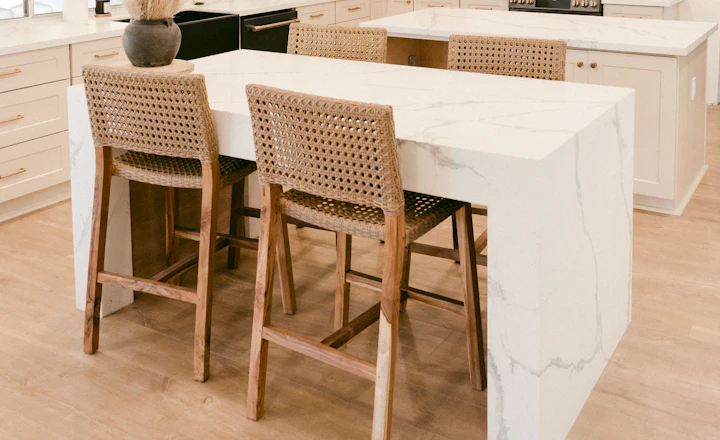
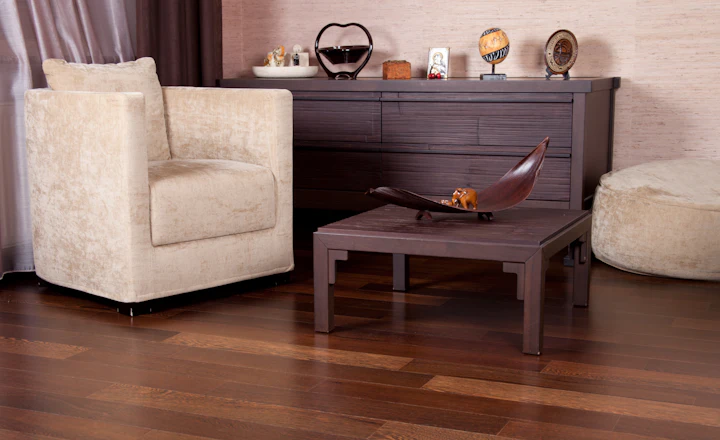
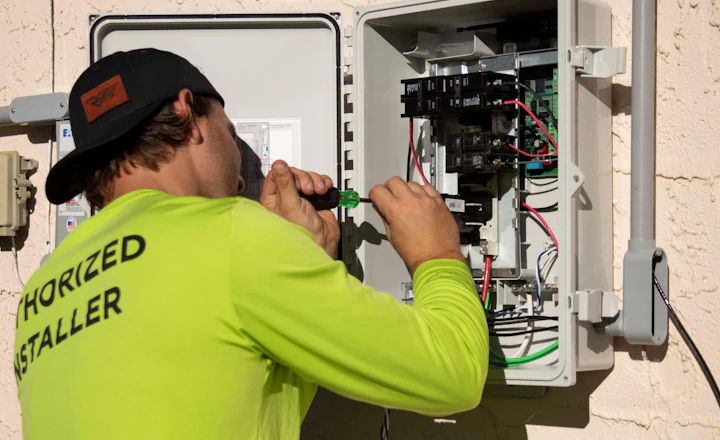
Trades where the landing page does the heaviest lifting
Contractor landing pages FAQ
What's the difference between a landing page and a funnel?
A landing page is a single page with one goal. A funnel is the full path: the ad, the landing page, the form or booking step, the thank-you page and the follow-up that comes after.
Do I need a separate landing page for each service?
For the services you advertise, yes. A homeowner who clicked an ad about bathroom remodels should land on a page about bathroom remodels.
Can my landing pages live on my existing website?
They can live on your site or on a separate page builder, depending on your setup. What matters is that they're fast, focused and connected to your CRM and tracking.
Should I put prices on my landing page?
Often, yes. A price range or "most projects land between" line filters out people who can't afford you and makes serious buyers more comfortable booking.
Stop wasting clicks on your homepage
Tell us the offers you advertise and how your sales process works. You'll see how contractor landing pages could turn more of your clicks into booked estimates.
Prefer to talk now? Call or text 307-449-2083